
What Happens If GLP-1 Medication Is Not Right for You?
GLP-1 medications can be helpful for some patients, but they are not the right fit for everyone.
If your provider says GLP-1 medication is not recommended for you, that does not mean you are out of options. It means your care plan needs to be personalized in a different way.
At Healthy Resolutions, we provide telemedicine medical weight loss care for patients in Connecticut, Massachusetts, Rhode Island, New York, and Tennessee. We help patients explore safe, realistic options based on their individual health needs.
Why GLP-1 Medication May Not Be Right for Someone
A provider may recommend against GLP-1 medication for several reasons, including:
Certain medical history
Medication interactions
Pregnancy or pregnancy plans
History of certain thyroid conditions
History of pancreatitis
Severe digestive issues
Gallbladder concerns
Kidney concerns
Side effect risk
Cost or insurance barriers
Medication availability
Patient preference
Your provider will explain what applies to your situation.
Medical Weight Loss Is Not Only Medication
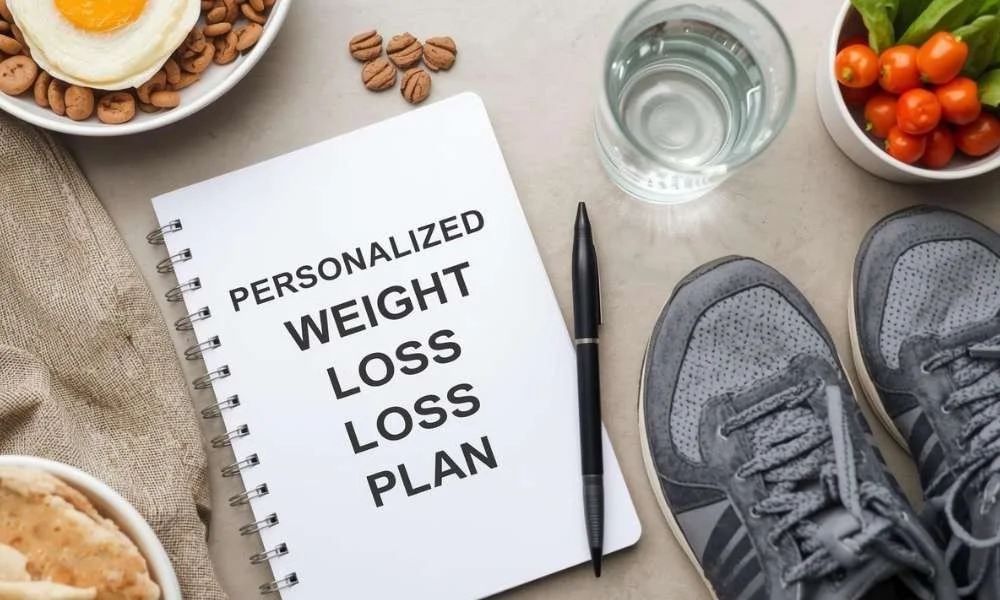
This is important: medical weight loss is not only about prescriptions.
A medical weight loss plan may include:
Nutrition support
Protein goals
Fiber guidance
Hydration
Movement planning
Strength training
Sleep support
Stress management
Lab work
Medication review
Treatment of underlying conditions
Follow-up appointments
Other medication options, if appropriate
The CDC notes that a healthy weight is supported by healthy eating, physical activity, sleep, stress management, medical conditions, medications, genetics, and more.
For more answers, visit our Medical Weight Loss FAQ section.
Other Medication Options May Exist
Depending on your health history, your provider may discuss other weight loss medication options. These decisions are highly individual and depend on safety, medical history, current medications, and goals.
Not every medication is right for every person. Your provider can help explain what options may be appropriate.
Nutrition Still Matters
Even without GLP-1 medication, nutrition can play a major role in weight loss.
Helpful focus areas may include:
Protein at each meal
More fiber
More water
Balanced plates
Smaller portions
Less sugary drinks
Meal planning
Reducing mindless snacking
Eating enough, not undereating
Choosing meals that fit your lifestyle
The goal is not perfection. The goal is consistency.
Movement Still Matters
Exercise does not need to be extreme.
Helpful movement options may include:
Walking
Strength training
Resistance bands
Chair exercises
Swimming
Biking
Stretching
Short movement breaks
Strength training can be especially helpful because it supports muscle during weight loss.
Look for Underlying Barriers
Sometimes weight loss is difficult because of factors that need more attention.
These may include:
Sleep problems
High stress
Medication side effects
Hormonal changes
Insulin resistance
Emotional eating
Low protein intake
Low activity
Medical conditions
Menopause or perimenopause
Inconsistent follow-up
A provider-guided plan can help identify what may be getting in the way.
The Bottom Line
If GLP-1 medication is not right for you, there may still be other ways to work toward your weight loss goals.
Medical weight loss should be personalized. The best plan is the one that supports your health, your safety, and your real life.
Not Sure If GLP-1 Medication Is Right for You?
Healthy Resolutions provides telemedicine medical weight loss care for patients in Connecticut, Massachusetts, Rhode Island, New York, and Tennessee.
If you want help understanding your options, our providers can review your health history and guide you toward a safe, realistic plan.
