
Is Telehealth a Good Option for Weight Loss Medication?
If you are interested in weight loss medication, you may wonder whether telehealth is a good option.
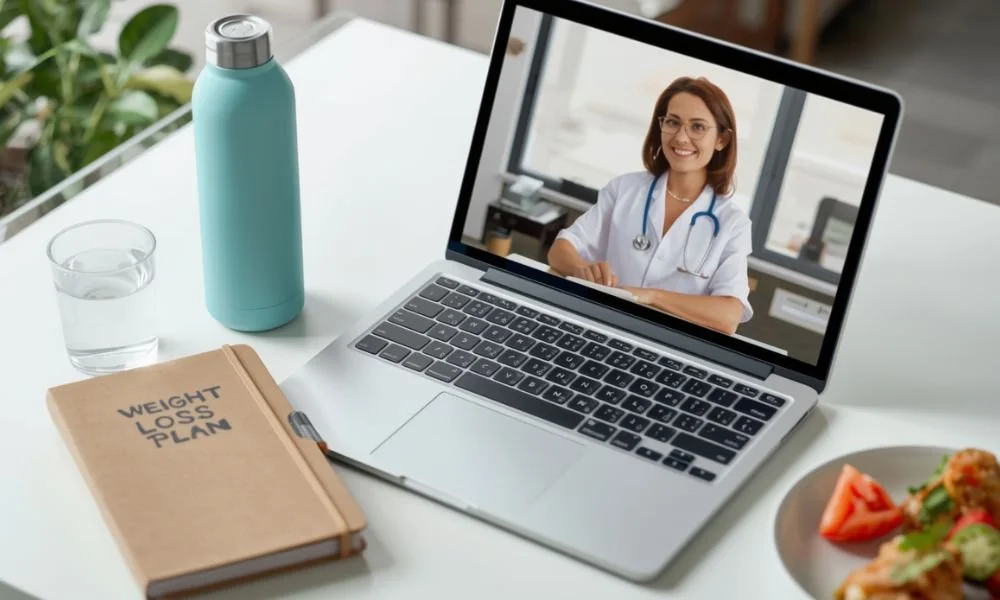
For many patients, telehealth can be a convenient way to meet with a provider, review medical history, discuss medication options, and receive follow-up care without needing to visit an office for every appointment.
At Healthy Resolutions, we provide telemedicine medical weight loss care for patients in Connecticut, Massachusetts, Rhode Island, New York, and Tennessee.
What Does Telehealth Weight Loss Medication Mean?
Telehealth weight loss medication care means you meet with a provider virtually to discuss whether prescription medication may be appropriate for your weight loss plan.
This may include:
Health history review
Medication review
Discussion of GLP-1 options
Side effect education
Safety screening
Lab work when needed
Prescription coordination
Nutrition guidance
Follow-up visits
Medication monitoring
Telehealth should still include a real medical evaluation and ongoing support.
Is Medication Automatically Prescribed?
No. A telehealth visit does not guarantee a prescription.
Your provider must determine whether medication is appropriate based on your health history, current medications, potential risks, goals, and any necessary lab work or follow-up.
A responsible medical weight loss program should never feel like a medication vending machine.
What Medications Might Be Discussed?
Your provider may discuss GLP-1 medications or other medical weight loss options depending on your situation.
GLP-1 medications may help some patients with weight loss by affecting appetite and fullness, but they are not appropriate for everyone.
Your provider will review possible risks and side effects. FDA-approved GLP-1 products include important prescribing information, safety warnings, and specific use instructions that providers consider before prescribing. The FDA has also warned telehealth companies about false or misleading claims regarding compounded GLP-1 products.
Can Prescriptions Be Sent to My Pharmacy?
If your provider determines medication is appropriate, prescriptions may be sent to your pharmacy when allowed and clinically appropriate.
Prescription access may depend on:
Your state
Provider evaluation
Medication availability
Pharmacy requirements
Insurance coverage
Prior authorization requirements
Cost
Medical history
Safety factors
Your provider can help you understand next steps.
Why Follow-Up Care Matters
Follow-up is especially important when medication is part of your plan.
Follow-up visits may help your provider monitor:
Weight trends
Appetite changes
Side effects
Nutrition intake
Hydration
Constipation or nausea
Medication tolerance
Dose timing
Lab work, if needed
Long-term progress
This helps keep your care personalized and safer.
Telehealth Can Make Follow-Up Easier
One of the biggest advantages of telehealth is convenience.
Because appointments are virtual, it may be easier to:
Keep follow-up visits
Ask questions sooner
Review side effects
Adjust the plan when needed
Stay consistent
Fit care into a busy schedule
Avoid unnecessary travel
HHS notes that telehealth can allow patients to connect with providers from home, which may improve access and convenience.
Who May Be a Good Candidate?
You may be a good fit for telehealth weight loss medication care if you:
Live in an active service state
Want provider-guided care
Are interested in discussing medication options
Have struggled with weight loss on your own
Prefer virtual visits
Are willing to follow up
Want help with nutrition and lifestyle habits
Understand that medication may not be appropriate for everyone
Your provider will help determine whether this is a safe fit.
When In-Person Care May Be Needed
Telehealth is not the right setting for every concern.
You may need in-person care for:
Emergencies
Severe symptoms
Certain physical exams
Lab work
Imaging
Complex medical concerns
Symptoms requiring hands-on evaluation
Your provider can guide you if in-person care is needed.
The Bottom Line
Telehealth can be a good option for discussing weight loss medication when it includes a real provider evaluation, medical guidance, prescription oversight, and follow-up care.
At Healthy Resolutions, medical weight loss is not just about medication. It is about creating a personalized plan that supports your health and long-term progress.
Want to Talk With a Provider About Weight Loss Medication?
Healthy Resolutions provides telemedicine medical weight loss care for patients in Connecticut, Massachusetts, Rhode Island, New York, and Tennessee.
If you are interested in learning whether medication may be appropriate for you, we can help you understand your options.
