
How to Protect Muscle While Losing Weight
When you are losing weight, it is natural to focus on the scale. But one of the most important goals during medical weight loss is protecting muscle.
Muscle helps support strength, metabolism, balance, mobility, and long-term health. Losing weight too quickly, eating too little, or skipping protein and movement may make it harder to preserve muscle while losing body fat.
At Healthy Resolutions, we help patients in Connecticut, Massachusetts, Rhode Island, New York, and Tennessee approach medical weight loss in a safe, personalized, and sustainable way.
Why Muscle Matters
Muscle is not just about looking toned. It plays an important role in how your body functions.
Muscle supports:
Strength
Balance
Daily activity
Joint protection
Metabolism
Healthy aging
Independence as you get older
When weight loss is medically guided, the goal is not just losing pounds. The goal is improving health while supporting the body through the process.
Why Muscle Loss Can Happen During Weight Loss
When your body is in a calorie deficit, it may use stored energy. Some of that weight loss may come from fat, but some may also come from lean mass.
Muscle loss may be more likely if you:
Eat very little protein
Skip meals often
Lose weight very quickly
Do not strength train
Are inactive
Have low overall calorie intake
Have certain medical conditions
Are older
This is why a balanced plan matters.
Eat Enough Protein
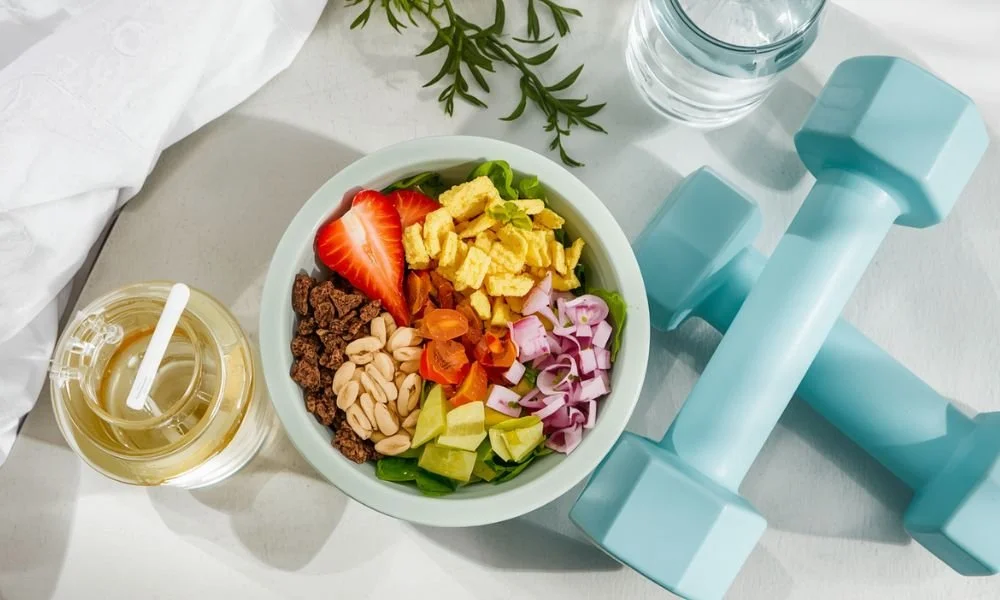
Protein is one of the biggest nutrition priorities during weight loss.
Try to include protein at each meal or snack.
Protein options include:
Eggs
Greek yogurt
Cottage cheese
Chicken
Turkey
Fish
Lean beef
Tofu
Tempeh
Beans
Lentils
Protein shakes, if recommended
If you are taking a GLP-1 and feel full quickly, eat protein first.
For more answers, visit our Medical Weight Loss FAQ page.
Add Strength Training
Strength training helps signal to your body that muscle is needed.
You can start with:
Bodyweight squats
Wall push-ups
Resistance bands
Light dumbbells
Step-ups
Glute bridges
Weight machines
Chair exercises
The CDC recommends adults include muscle-strengthening activity at least 2 days each week.
Do Not Undereat for Long Periods
It can be tempting to eat as little as possible when appetite is low, especially on a GLP-1 medication. But consistently eating too little can leave you feeling weak, tired, nauseous, or undernourished.
Mayo Clinic notes that undereating during weight loss may contribute to nutritional deficiencies, gastrointestinal issues, decreased metabolism, and plateaus.
If your appetite is very low or you are struggling to eat enough, contact your provider.
Stay Hydrated
Hydration supports digestion, exercise, energy, and overall wellness.
Helpful habits include:
Sip water throughout the day
Use a water bottle
Add lemon or cucumber
Try herbal tea
Eat water-rich foods
Ask your provider about electrolytes if needed
Prioritize Sleep
Sleep helps your body recover. Poor sleep may make it harder to manage hunger, cravings, stress, and energy.
If you are exercising more or losing weight, recovery becomes even more important.
Watch for Warning Signs
Contact your provider if you notice:
Severe fatigue
Weakness
Dizziness
Rapid weight loss
Nausea that prevents eating
Repeated vomiting
Loss of strength
Difficulty completing normal activities
Signs of dehydration
Medical weight loss should feel supported, not extreme.
The Bottom Line
Protecting muscle during weight loss comes down to a few core habits:
Eat enough protein
Strength train consistently
Avoid extreme restriction
Stay hydrated
Sleep well
Follow up with your provider
You do not need perfection. You need a plan that supports your health.
Want Help Losing Weight in a Way That Supports Your Body?
Healthy Resolutions offers telemedicine medical weight loss care for patients in Connecticut, Massachusetts, Rhode Island, New York, and Tennessee.
If you are considering GLP-1 medication or want guidance on nutrition, movement, and long-term results, our providers can help.
