
Walking for Weight Loss: Why Simple Movement Still Works
When people think about exercise for weight loss, they often imagine intense workouts, long gym sessions, or complicated routines.
But simple movement still matters.
Walking is one of the easiest ways to become more active. It is low-cost, beginner-friendly, and flexible enough to fit into most lifestyles.
At Healthy Resolutions, we help patients in Connecticut, Massachusetts, Rhode Island, New York, and Tennessee build realistic medical weight loss plans that may include medication, nutrition, movement, and long-term support.
Why Walking Works
Walking can support weight loss by helping you increase daily movement and energy use. It may also support heart health, blood sugar, mood, mobility, and stamina.
The American Heart Association describes walking as one of the simplest ways to get active and notes that research has shown walking can have a meaningful impact on health, including heart health.
Walking Is a Great Starting Point
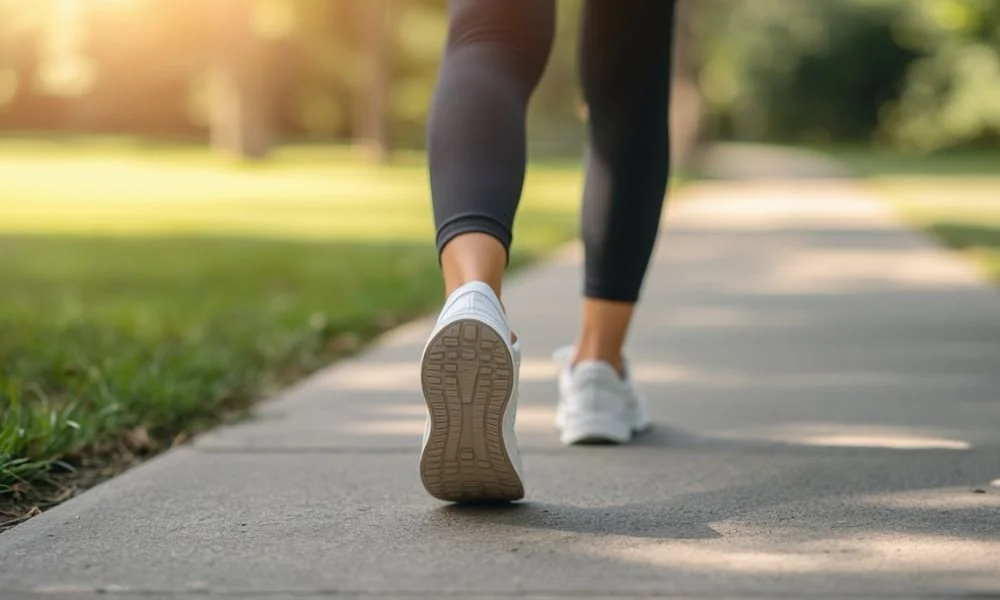
You do not need to be in perfect shape to start walking.
Start where you are.
That may mean:
5 minutes after lunch
10 minutes after dinner
A walk around the block
Parking farther away
Walking during a phone call
Taking the stairs when possible
Doing short indoor walks at home
Small amounts of movement can build confidence.
How Much Walking Should You Do?
There is no one perfect number for everyone.
The CDC recommends adults aim for at least 150 minutes of moderate-intensity aerobic activity each week, such as 30 minutes a day, 5 days per week. They also note that some physical activity is better than none.
If 30 minutes feels like too much, start with 5 to 10 minutes and build gradually.
Walking and GLP-1 Weight Loss
If you are taking a GLP-1 medication, walking may be a helpful way to support your routine without feeling overwhelming.
Walking can help:
Build consistency
Support digestion
Improve energy
Reduce sedentary time
Support heart health
Make movement feel manageable
For some patients, a short walk after meals may feel especially helpful, but always listen to your body and follow provider guidance.
How to Make Walking More Effective
Try these simple tips:
Walk at a pace where you can talk but feel slightly challenged
Add hills when ready
Use supportive shoes
Walk with a friend
Listen to music or a podcast
Set a small weekly goal
Track your steps if motivating
Add short walks after meals
Pair walking with strength training
Walking Alone May Not Be Enough
Walking is wonderful, but it works best as part of a complete plan.
For long-term results, combine walking with:
Protein-focused meals
Strength training
Hydration
Sleep
Stress management
Medical follow-up
Medication support when appropriate
What If You Have Joint Pain or Low Stamina?
Start gently.
Options may include:
Short indoor walks
Water walking
Stationary bike
Chair exercises
Light stretching
Physical therapy guidance
Walking on flat surfaces
Talk with your provider before starting if you have heart conditions, significant joint pain, dizziness, balance issues, or other medical concerns.
The Bottom Line
Walking is simple, but it is not “too easy” to matter.
It can be one of the most realistic ways to build momentum during weight loss, especially when paired with nutrition, strength training, and provider-guided care.
Looking for a Medical Weight Loss Plan That Fits Real Life?
Healthy Resolutions provides telemedicine weight loss care for patients in Connecticut, Massachusetts, Rhode Island, New York, and Tennessee.
If you want support with weight loss, GLP-1 options, nutrition, and realistic movement habits, we can help.
