
Why Protein Matters During Medical Weight Loss
When people think about weight loss, they often focus on eating less. But during medical weight loss, eating enough of the right nutrients matters too.
Protein is one of the most important nutrients to focus on because it supports muscle, fullness, energy, and overall wellness. This is especially important if your appetite is lower because of a GLP-1 medication or another provider-guided weight loss plan.
Healthy Resolutions works with patients in Connecticut, Massachusetts, Rhode Island, New York, and Tennessee through telemedicine weight loss care that looks at the whole picture, not just medication.
Medical Weight Loss Is More Than Cutting Calories
A medical weight loss plan may include nutrition, movement, lab work when appropriate, medication options, lifestyle support, and ongoing provider guidance.
The CDC notes that a healthy weight is supported by good nutrition, regular physical activity, stress management, and enough sleep. Weight can also be affected by medications, medical conditions, stress, genetics, hormones, environment, and age.
That is why medical guidance can be helpful. Weight loss is not always as simple as “eat less and move more.”
What Protein Does in the Body
Protein helps support many important functions, including:
Muscle maintenance
Tissue repair
Immune function
Hormone production
Fullness after meals
Energy balance
Healthy aging
During weight loss, preserving muscle is important. Losing weight too quickly or eating too little protein may increase the risk of losing muscle along with body fat.
Why Protein Matters With GLP-1 Medications
GLP-1 medications can reduce appetite. Some patients feel full faster, skip meals unintentionally, or eat much smaller portions.
That can be helpful for reducing overeating, but it can also make it harder to get enough protein.
A simple strategy is to build meals around protein first.
Examples:
Breakfast: eggs or Greek yogurt
Lunch: turkey, chicken, tuna, tofu, or beans
Dinner: fish, lean meat, poultry, tofu, or lentils
Snack: cottage cheese, protein smoothie, or yogurt
Protein Helps Meals Feel More Satisfying
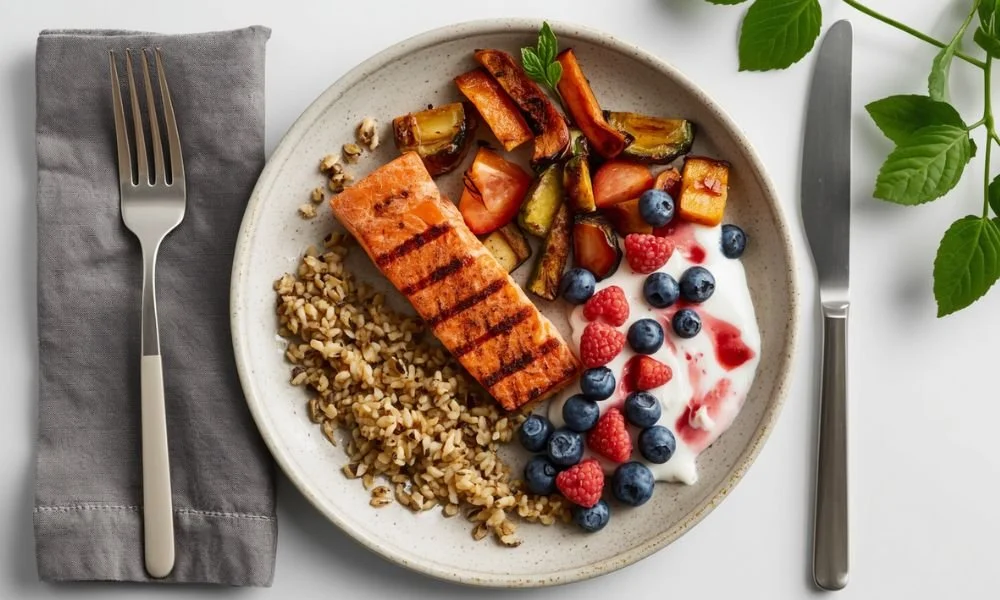
Protein can help you feel more satisfied after eating. When meals include protein, fiber, and healthy fats, many people feel steadier and less likely to snack constantly.
Balanced meal example:
Grilled chicken
Roasted vegetables
Brown rice or sweet potato
Avocado or olive oil
Simple snack example:
Greek yogurt
Berries
Chia seeds
Protein Does Not Have to Be Complicated
You do not need fancy recipes or expensive supplements to increase protein.
Simple protein foods include:
Eggs
Chicken
Turkey
Fish
Greek yogurt
Cottage cheese
Beans
Lentils
Tofu
Tempeh
Lean beef
Edamame
Protein shakes, if recommended
If you are using protein powder, choose one that fits your health needs and ask your provider if you are unsure.
What If Meat Does Not Sound Good?
Some patients taking GLP-1 medication find that heavy foods do not sound appealing.
Try gentler protein options like:
Greek yogurt
Cottage cheese
Eggs
Smoothies
Soup with chicken or beans
Tuna salad
Tofu
Lentils
Protein oatmeal
Soft scrambled eggs
The goal is to find options that feel doable.
Protein and Strength Training
Strength training and protein can work together during weight loss. Strength training may help support muscle, mobility, and metabolism.
You do not need to become a gym person overnight. Walking, light weights, resistance bands, or bodyweight movements may be a good place to start depending on your health history and fitness level.
Always check with your provider before starting a new exercise plan, especially if you have medical conditions or have been inactive.
The Bottom Line
Protein matters because medical weight loss should support your whole body. It is not just about eating less. It is about eating in a way that helps you feel stronger, more nourished, and better supported.
If you are not sure how much protein you need or what foods are best for you, Healthy Resolutions can help you build a personalized plan.
Want a Weight Loss Plan That Supports Your Body?
Healthy Resolutions offers telemedicine medical weight loss support for patients in Connecticut, Massachusetts, Rhode Island, New York, and Tennessee.
If you are ready to discuss your options, nutrition needs, and whether medical weight loss is right for you, we are here to help.
