
Foods That May Make GLP-1 Side Effects Worse
GLP-1 medications can be helpful for medical weight loss, but some people experience side effects like nausea, constipation, diarrhea, bloating, reflux, or feeling overly full.
Food choices can sometimes make these symptoms better or worse.
This does not mean you need a strict “never eat this” list. It means paying attention to what your body tolerates and making adjustments with the guidance of your provider.
Common GLP-1 Side Effects
Some patients experience digestive symptoms when starting or adjusting GLP-1 medications. Mayo Clinic lists possible stomach and bowel symptoms with semaglutide, including nausea, vomiting, constipation, diarrhea, gas, bloating, and stomach pain, and recommends checking with a doctor for concerning symptoms.
If symptoms are severe or persistent, contact your provider.
Foods That May Be Harder to Tolerate
Everyone is different, but these foods may worsen side effects for some patients:
Fried foods
Greasy foods
Fast food
Large portions
Very spicy foods
Cream-heavy foods
High-sugar foods
Alcohol
Carbonated drinks
Large amounts of caffeine
Very rich desserts
Processed meats
Large high-fat meals
You may not need to avoid all of these. Instead, notice patterns.
Why Fried or Greasy Foods May Feel Worse
GLP-1 medications can slow digestion. Heavy, greasy foods may sit longer and feel uncomfortable for some people.
You may notice:
Nausea
Reflux
Bloating
Fullness
Stomach discomfort
Diarrhea
Try choosing grilled, baked, roasted, or air-fried options instead.
Why Large Meals Can Be a Problem
Many patients feel full faster while taking a GLP-1 medication. Eating a large meal may make you feel overly stuffed, nauseous, or uncomfortable.
Try:
Smaller plates
Eating slowly
Stopping when comfortably full
Saving leftovers
Eating protein first
Avoiding late-night heavy meals
What to Eat Instead
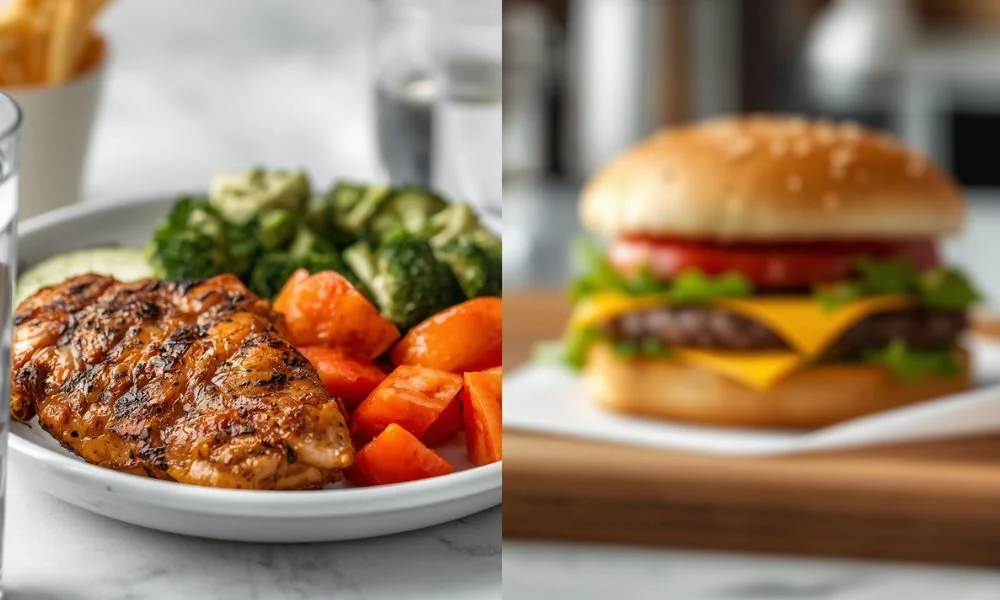
Choose simpler meals that include protein, fiber, and hydration.
Better tolerated options may include:
Greek yogurt with berries
Eggs with vegetables
Chicken soup
Turkey lettuce wraps
Grilled fish with vegetables
Protein smoothies
Cottage cheese with fruit
Lentil soup
Salmon with roasted vegetables
Tofu and vegetables
Tips to Reduce Food-Related Discomfort
Try these habits:
Eat slowly
Avoid lying down right after eating
Choose smaller meals
Limit greasy meals
Drink fluids throughout the day
Add fiber gradually
Prioritize protein
Avoid skipping all day and then eating a large meal
Track which foods trigger symptoms
A simple food and symptom journal can be helpful.
When to Call Your Provider
Contact your provider if you experience:
Severe or ongoing nausea
Repeated vomiting
Severe stomach pain
Signs of dehydration
Blood in stool
Severe constipation
Dizziness or fainting
Symptoms that interfere with eating or daily life
Do not adjust or stop medication without medical guidance.
The Bottom Line
There is no perfect GLP-1 diet. But some foods may be harder to tolerate, especially greasy, very large, or very rich meals.
The goal is to build a way of eating that supports weight loss, reduces discomfort, and fits your real life.
Need Help Managing GLP-1 Side Effects?
Healthy Resolutions provides telemedicine medical weight loss care for patients in Connecticut, Massachusetts, Rhode Island, New York, and Tennessee.
If you are experiencing side effects or wondering what to eat while taking a GLP-1 medication, our providers can help guide you safely.
